
striped frosted glass
Types of Ball Valves and Their Functions Ball valves are essential components in various piping systems, used primarily to control the flow of liquids and gases. Known for their reliability and ease of operation, these valves utilize a rotating ball to either allow or block the flow of fluid. Here, we will explore the different types of ball valves along with their specific functions and applications. 1. Floating Ball Valve The floating ball valve is one of the most common types of ball valves. In this design, the ball is positioned between two seats. The pressure from the media forces the ball against the downstream seat, creating a tight seal. This type of valve is straightforward and effective for low to medium pressure applications. Floating ball valves are frequently used in water supply systems, gas distribution, and chemical processing. 2. Trunnion Ball Valve Unlike the floating ball valve, the trunnion ball valve has a fixed ball that is supported by trunnions (stem-like structures) both above and below it. This construction allows the valve to handle higher pressures and larger diameters with ease. Trunnion ball valves are ideal for high-pressure applications, making them suitable for oil and gas exploration, power generation, and in pipelines where fluid dynamics must be carefully managed. 3. Full-Port Ball Valve The full-port ball valve offers a larger internal diameter that matches the pipe size, allowing for unrestricted flow. This design minimizes pressure drop and turbulence in the flow, making it ideal for systems where maintaining high flow efficiency is crucial. Full-port valves are often used in applications like large-scale water treatment plants and industrial processes requiring minimal flow restriction. types of ball valves and their functions 4. Reduced-Port Ball Valve In contrast to the full-port design, the reduced-port ball valve has a smaller ball and seat opening, leading to a decrease in flow area. While this may lead to some pressure drop, reduced-port ball valves are lighter, less expensive, and suitable for applications where flow restriction is acceptable. These valves are frequently used in low-flow systems, such as irrigation and residential water applications. 5. Two-Piece and Three-Piece Ball Valves Another classification of ball valves is based on their body construction. Two-piece ball valves consist of two body halves that are bolted together. They are generally easier to maintain and are commonly used in piping systems that require frequent maintenance. On the other hand, three-piece ball valves have a construction where a central body portion is sandwiched between two end pieces, allowing easier access for servicing without removing the valve from the pipeline. This type is ideal for applications where space is limited, and maintenance is critical. 6. Electric and Pneumatic Actuated Ball Valves For automation and remote control, ball valves can be equipped with electric or pneumatic actuators. Electric actuators facilitate precise control and are often used in process automation, while pneumatic actuators are preferred for their speed and reliability in various industrial applications. These actuated ball valves are critical for modern industries where automated flow control enhances efficiency. Conclusion Ball valves come in various designs and configurations, each suited to specific applications and requirements. From floating and trunnion valves to full-port and actuator-driven types, understanding the differences can help in selecting the right valve for any piping system. As industries continue to evolve, the importance of reliable fluid control systems made possible by ball valves remains paramount.
about
striped frosted glass
How to Turn Off the Water Valve A Step-by-Step Guide In any household, knowing how to turn off the water valve can be a crucial skill. Whether you are dealing with a leak, preparing for plumbing repairs, or dealing with an emergency situation, having the ability to shut off the water supply can save you time, money, and prevent further damage. This article will guide you through the process of locating and turning off your water valve, as well as provide some useful tips for maintaining your plumbing system. Understanding the Water Valve The water valve is a crucial component of your plumbing system. It controls the flow of water into your home and is typically located near the main water line. In many cases, there are two main types of water valves you should be aware of the main shut-off valve and individual fixture shut-off valves. The main valve controls the water supply to your entire home, while individual fixture shut-off valves are located near sinks, toilets, or appliances. Locating the Main Water Shut-Off Valve Before you experience a plumbing issue, it’s essential to know where your main shut-off valve is located. Common places include 1. Basement or Crawl Space In many homes, the main valve is situated in the basement or a crawl space close to where the water line enters the house. 2. Outside Some homes have their main shut-off valve located outside, often in an underground pit or in a box near the foundation. 3. Utility Room In certain houses, the valve may be found in a utility room where the water heater and other plumbing fixtures reside. Turning Off the Water Valve Once you’ve located your main shut-off valve, turning it off is a straightforward process 1. Identify the Type of Valve The two most common types of valves are gate valves and ball valves. A gate valve typically has a round or oval handle, while a ball valve has a lever-style handle. 2. For a Gate Valve To turn off a gate valve, you will need to turn the handle clockwise until it stops . It may require some effort, especially if it hasn’t been turned in a long time. turn off water valve 3. For a Ball Valve Simply turn the lever perpendicular to the pipe. A 90-degree turn should close the valve completely. After shutting off the valve, you may want to open some faucets in your home to relieve pressure in the pipes and ensure the water supply is fully turned off. Individual Fixture Shut-Off Valves In addition to the main shut-off valve, familiarize yourself with the shut-off valves for individual fixtures. These are particularly useful for small leaks or repairs without turning off the water for the entire house. They are typically located - Under Kitchen and Bathroom Sinks Look for small valves attached to the water pipes. - Behind Toilets Most toilets have a valve on the wall or floor near the base. To turn these off, simply twist the valve handle clockwise until it stops. What to Do After Turning Off the Water After you’ve successfully shut off the water, it’s essential to assess the situation - Check for Leaks Inspect the area for any ongoing leaks or damages. - Make Necessary Repairs Whether it’s patching a leak or replacing a fixture, now is the time to address plumbing issues while the water is off. - Consider Professional Help If you are unsure about the severity of the problem or the repairs needed, call a professional plumber for assistance. Maintenance Tips To ensure your water valve functions properly when you need it, perform regular maintenance - Test Your Valves Regularly Exercise your valves every few months by turning them on and off. This helps prevent them from seizing up. - Inspect for Corrosion Look for any signs of rust or damage, particularly on older valves, and replace them if necessary. - Know Your Plumbing System Understanding your plumbing layout will make it easier to locate and operate the valves in emergencies. In conclusion, knowing how to turn off the water valve in your home is an invaluable skill. Whether you're preparing for repairs or handling emergencies, being proactive and equipped with knowledge can prevent stress and costly damages. Make it a habit to familiarize yourself with your plumbing system, and you’ll be better prepared for any situation that arises.
-

High quality industrial productsagement

High quality industrial products
View Details -

Meet the diverse needs of customers

Meet the diverse needs of customers
View Details -

Strict quality control

Strict quality control
View Details -

Top raw materials

Top raw materials
View Details -

Trusted supplier

Trusted supplier
View Details
Our application



news and information
Water Flow Control Using Valve Mechanisms for Efficient Management
The Importance of Valve Water Management in Modern Industry In today's industrial landscape, effecti
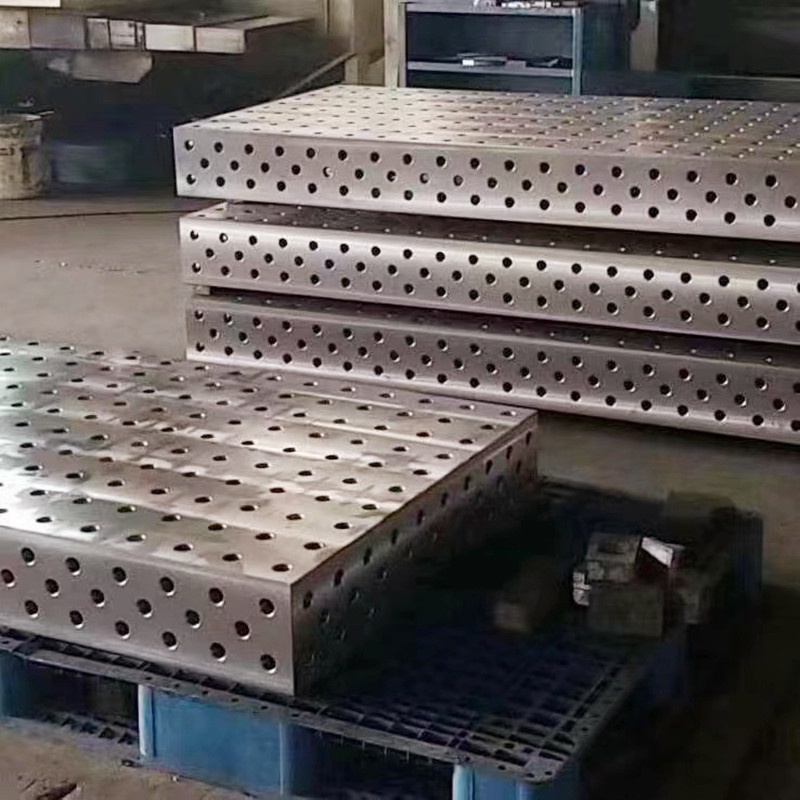
Versatile Magnetic Vee Block for Precision Workholding and Machining Applications
The Magnetic Vee Block A Versatile Tool for Precision Alignment In the realm of manufacturing and ma
Van cửa niêm phong mềm điện
Van cổng 150mm, một trong những sản phẩm quan trọng trong ngành công nghiệp, đóng vai trò tối ưu hóa
 English